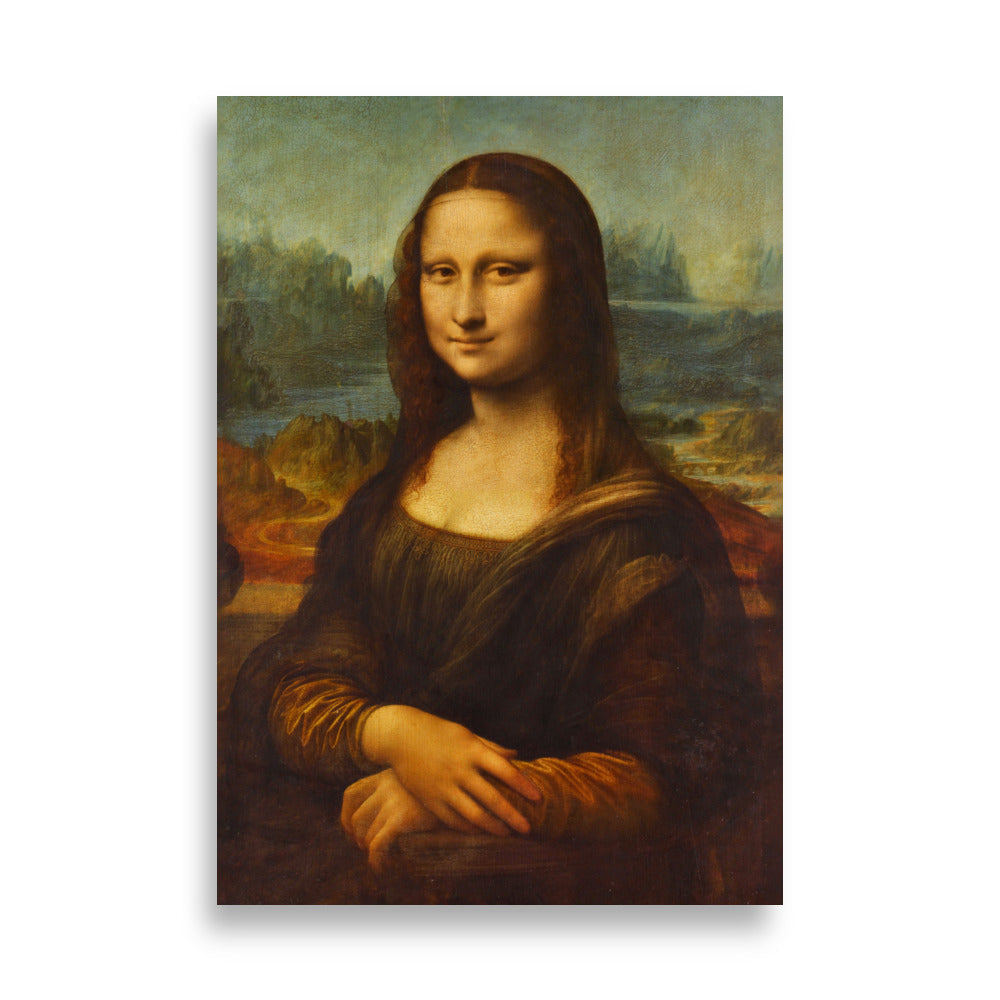
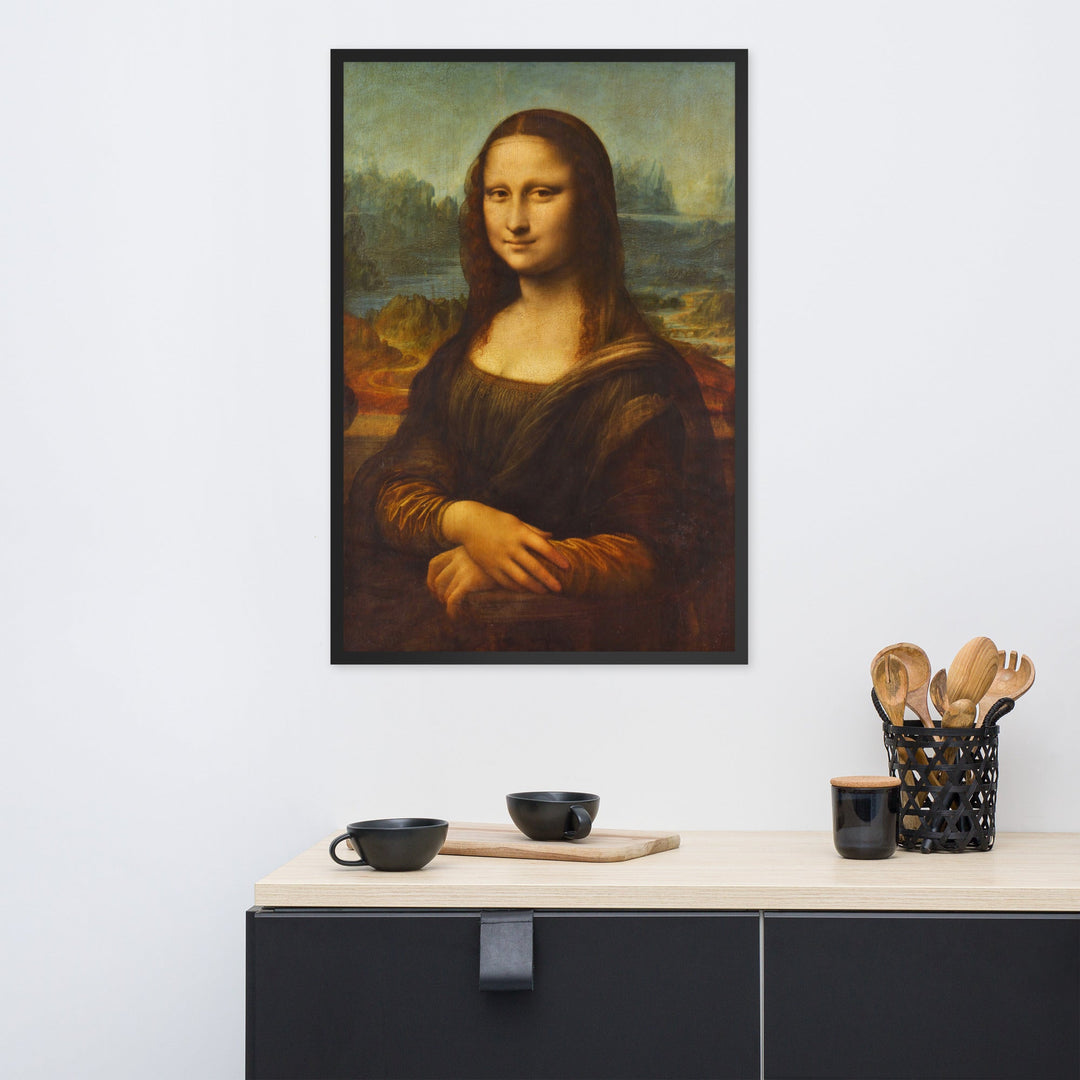


Mona Lisa, Leonardo da Vinci - Poster
- In stock, ready to ship
- Delivery in 5–7 business days
- Free worldwide shipping* on orders of €60 or more
* For deliveries to countries outside Europe, the United Kingdom (UK), North America, Brazil, and Japan, additional import duties, customs duties, import VAT, or customs clearance fees may apply depending on the respective delivery and production locations. These costs are to be borne by the recipient.
ARTLIA's art prints are produced according to standardized paper and canvas formats.
Depending on the aspect ratio of the original artwork and the chosen format, it may happen that the edges of the image are slightly adjusted to achieve a harmonious overall effect and high print quality.
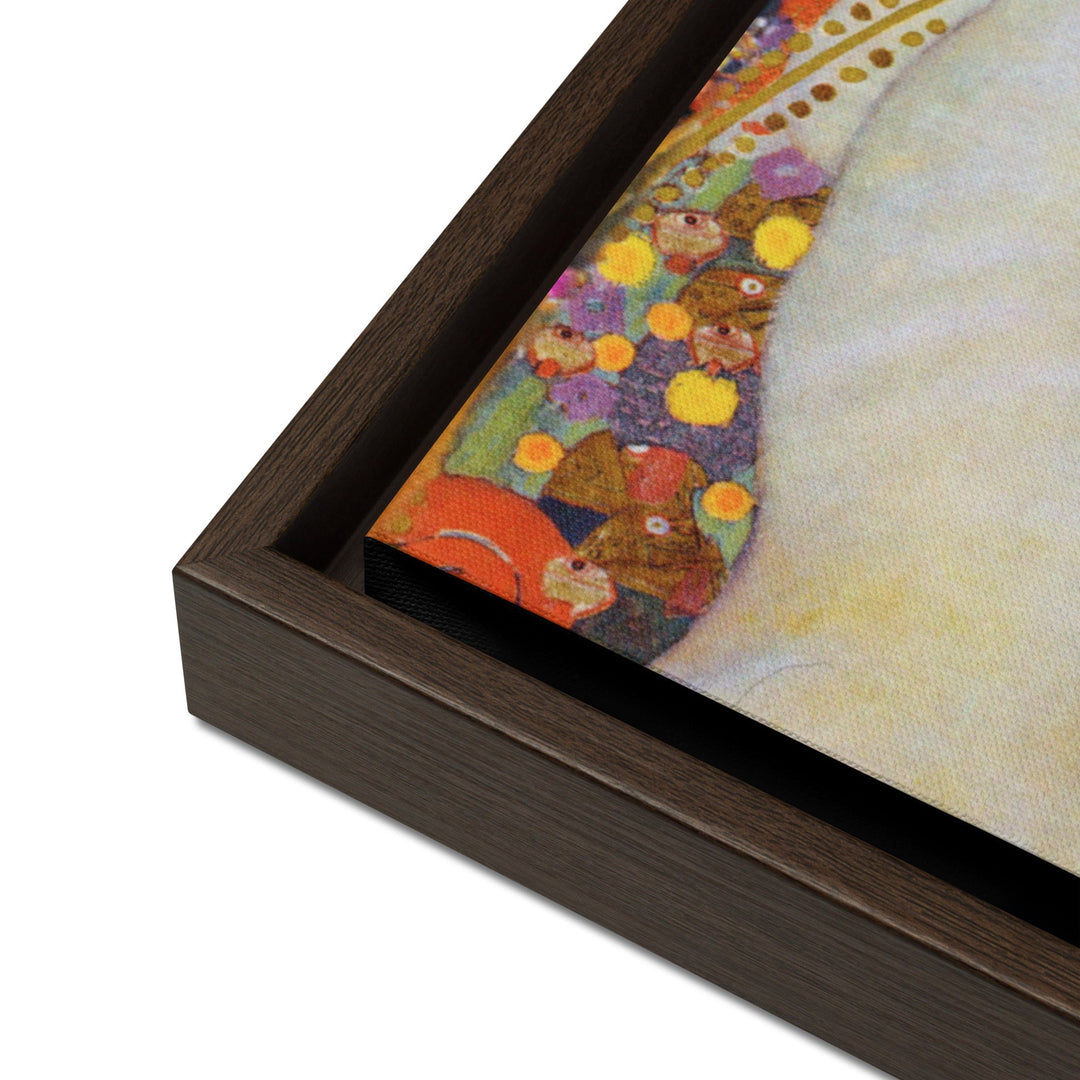
For canvas prints, the ARTLIA team ensures that the main motif is placed as fully as possible on the front side. The side frame areas are continued in color and style to match the original image.
This is a deliberate and common production step with which the ARTLIA team ensures the aesthetic quality of each artwork.
One motif, many styles: discover our diverse collection
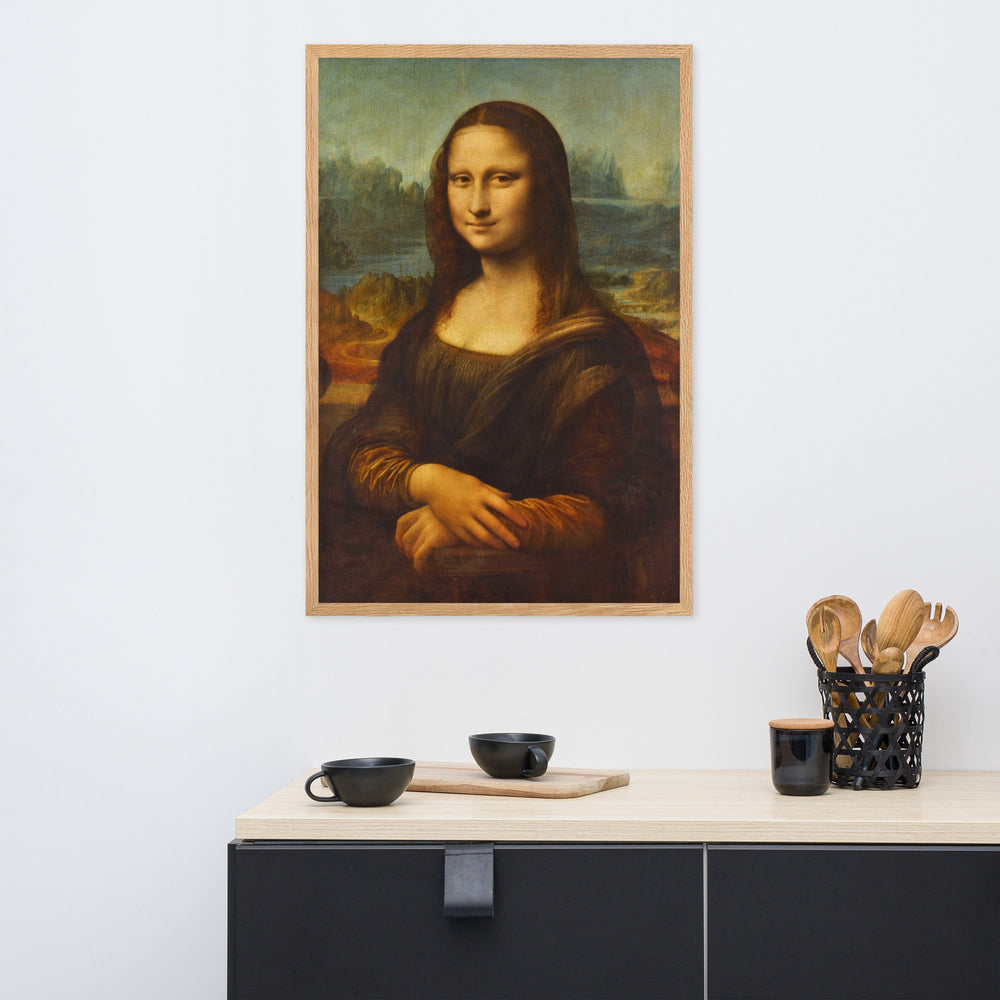

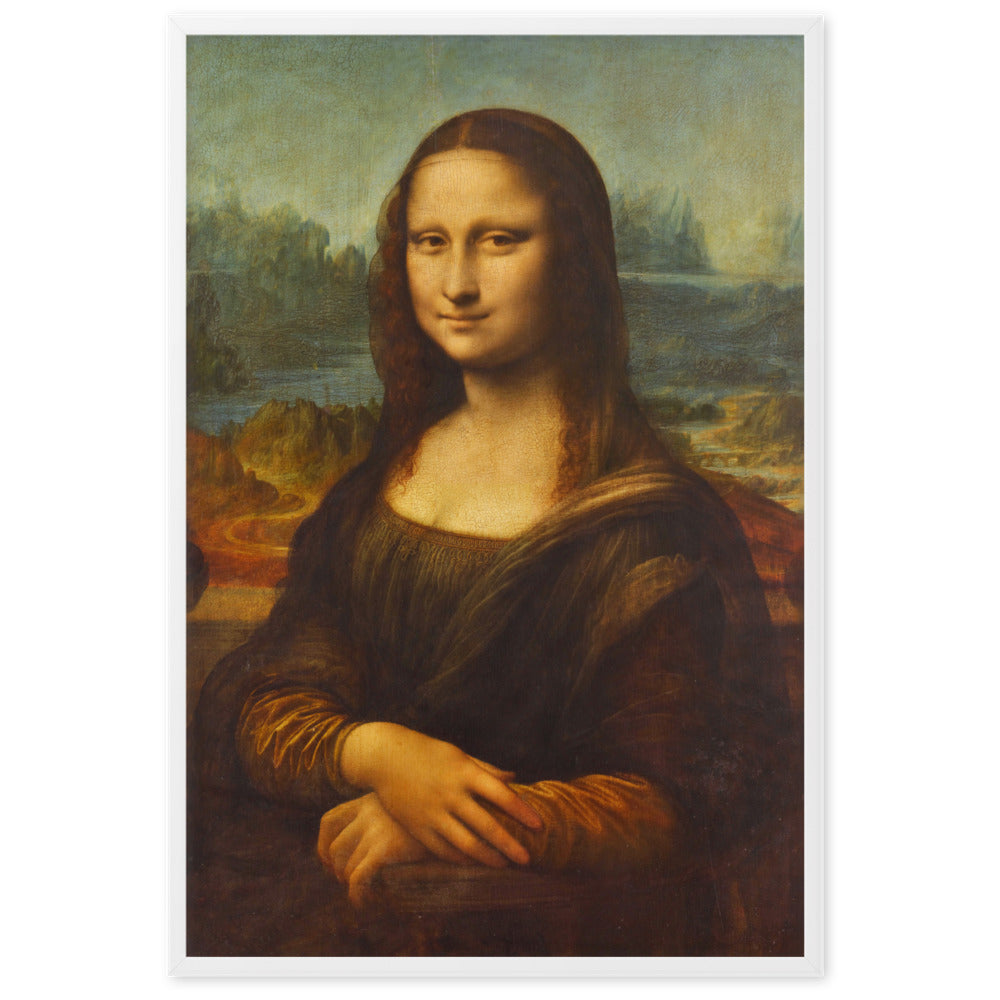
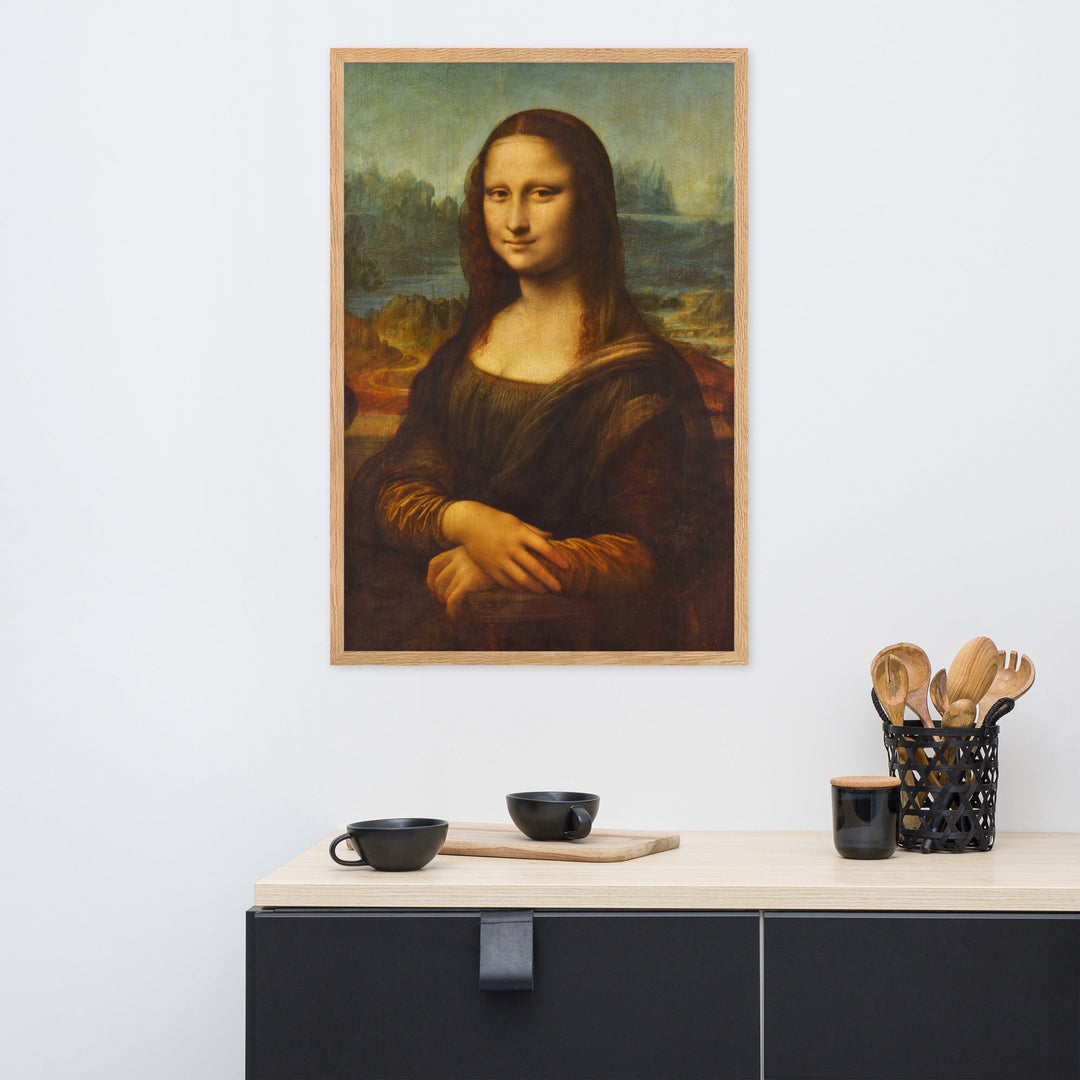
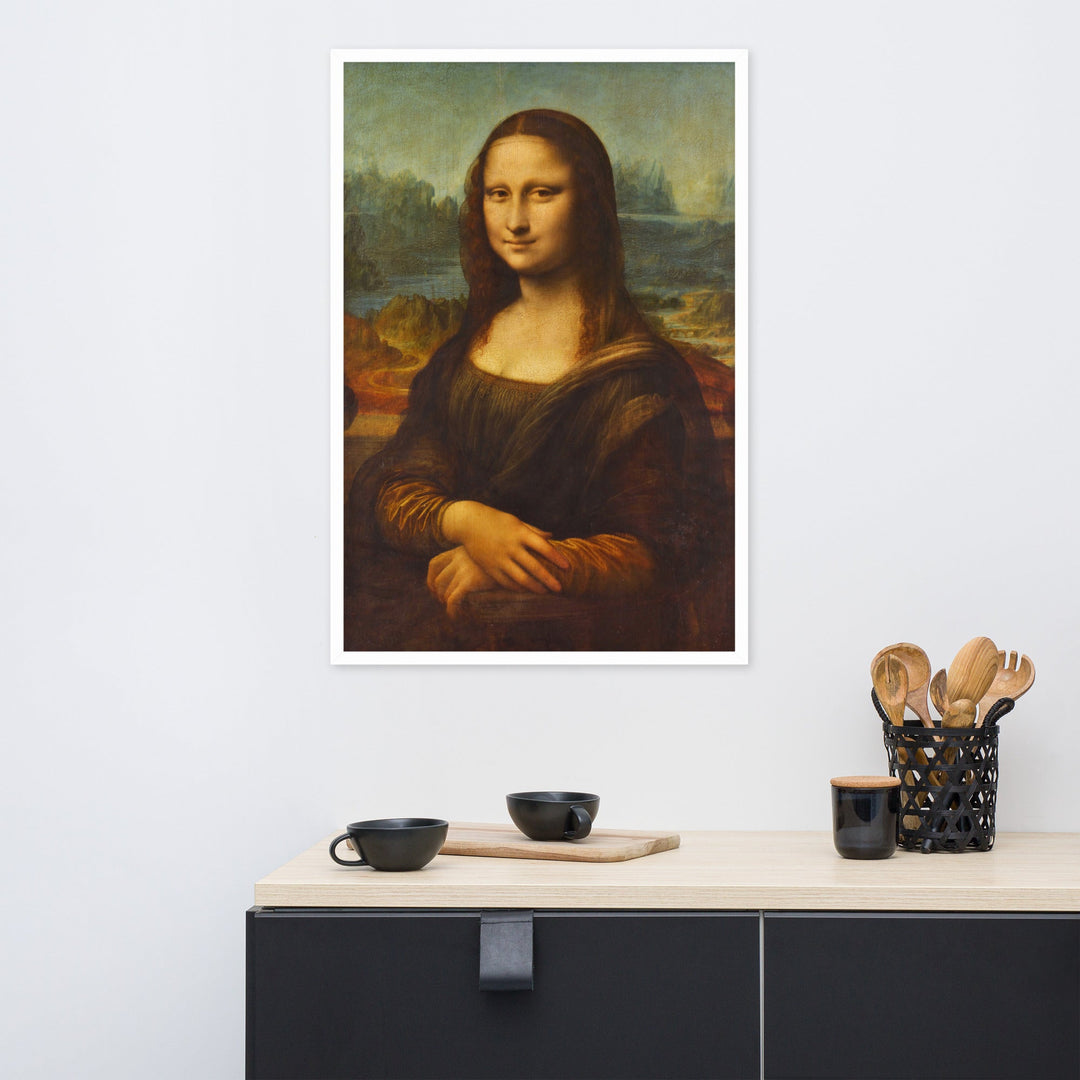
Mona Lisa, Leonardo da Vinci - Poster
Museum-quality Mona Lisa poster with vibrant prints on matte paper. Add a wonderful accent to your room and office with these posters that are sure to brighten up any environment.
• Paper thickness: 0.26 mm
• Paper weight: 189 g/m²
• Light opacity: 94%
• ISO brightness: 104 %
• 21 cm ×30 cm posters are A4 size
• Paper sourced from Japan
The Mona Lisa is one of the most famous paintings in the world and was created by the Italian artist Leonardo da Vinci. The work was created between 1503 and 1506, possibly up to 1517, during the Renaissance. It is a portrait of a woman commonly identified as Lisa Gherardini, the wife of the Florentine merchant Francesco del Giocondo. Therefore the painting is also called "La Gioconda".
The Mona Lisa is famous for her mysterious smile and enigmatic expression. The painting is on display at the Louvre in Paris and is one of the most visited works of art in the world. When creating the Mona Lisa, Leonardo da Vinci used the sfumato technique, a painting style in which the colors and tones smoothly blend together to create realistic transitions and depths.
The painting is also known for its historical and artistic influences and has sparked numerous theories and interpretations. Over the centuries it has become a symbol of classical art and is the subject of much analysis and debate.